

Cat Adoption in Luxembourg: A Complete Guide for Expats
So you’ve moved to Luxembourg, you’ve finally unpacked the last box, and now your apartment feels a little too quiet? We get it. A surprising number of expats we work with at CadCie come to us with the same story: they always wanted a cat, life got in the way, and Luxembourg, with its smaller pace and family-friendly vibe, finally feels like the right moment.
But here’s the thing nobody tells you when you Google cat adoption Luxembourg at 11pm on a Tuesday: the process here is a bit different from what you’re used to back home. There are some quirks, some rules that surprise even seasoned cat parents, and a few cultural things you really want to know.
Why adopting a cat in Luxembourg is easier than you think
Let’s start with the good news. Luxembourg is genuinely one of the better places in Europe to adopt a cat. The country has a real animal welfare culture, and there’s no bureaucratic nightmare like you’d face in some neighbouring countries.
The legal stuff (sorry, but you'll thank me later)
I know, I know. Legal stuff is boring. But Luxembourg has some specific rules that are actually quite reasonable once you understand them, and ignoring them can cost you fines or, worse, complications down the line.

Microchipping: yes, it's mandatory
Luxembourg is one of only 7 to 8 EU countries that legally require all cats to be microchipped. This isn’t optional, even if your cat is strictly an indoor cat who’s never seen a balcony in her life. The microchip must be implanted by a licensed vet within the first month of adoption (or within 4 months of birth if you’re getting a kitten very young).
Vaccinations and the European Pet Passport
Rabies vaccination is mandatory for cats in Luxembourg.
If you’re planning to travel back to your home country with your cat for the holidays, yes, even just a quick trip to London or Paris, you’ll need a European Pet Passport. Your vet can issue one once the rabies vaccine is up to date.
What about renting? Read the small print
This is where a lot of expats get caught out. In Luxembourg, landlords are legally allowed to ban pets in the lease agreement. If your contract says “no pets,” that’s binding. Before you start visiting shelters, take 10 minutes to re-read your lease, or send a quick email to your landlord. It’s much easier to ask now than to be served notice in three months.
Quick tip from our experience: Most Luxembourg landlords are open to negotiating, especially for cats (less perceived “damage” than dogs). Offer to add a small deposit or a clause about professional cleaning when you leave. Nine times out of ten, it works.

How does CadCie works ?
Full disclosure here, this is the part where I tell you what we do, so feel free to skip it if you’ve already made up your mind. But honestly, this is why we exist: we noticed that a huge number of expat adoptions fail in the first six months, not because the cat was wrong, but because nobody helped the family understand what cat would actually fit their life.
So we built a personalised matching service. We meet you, we ask questions about your daily schedule, your travel habits, your apartment size, your sleep patterns. Then we help you find the right cat through our selected breeders network. And we follow up afterwards.
How much does adopting a cat in Luxembourg really cost?
Ongoing costs are around €40-80 per month for a healthy adult cat, more if your cat develops health needs or you choose premium food.
Pet insurance is becoming more popular in Luxembourg but isn’t mandatory. We have opinions on whether it’s worth it depending on the cat’s age, but that’s for another article.
Bringing your new cat home: what the first weeks really look like
This is the part nobody warns you about, and it’s why I’m writing it loud and clear.
The hiding phase (it's normal, breathe)
Your new cat will probably hide. Under the sofa, behind the washing machine, on top of the wardrobe, anywhere but the cosy bed you spent €50 on. This can last from a few hours to two weeks, and it’s completely normal. They’re not rejecting you. They’re processing the biggest upheaval of their tiny life.
What to do? Almost nothing. Set up food, water, and a litter box close to the hiding spot. Sit nearby and read a book. Talk softly. Don’t drag them out, don’t chase them, don’t have all your friends over to “meet” the new cat. Just exist in the same space and let them come to you.
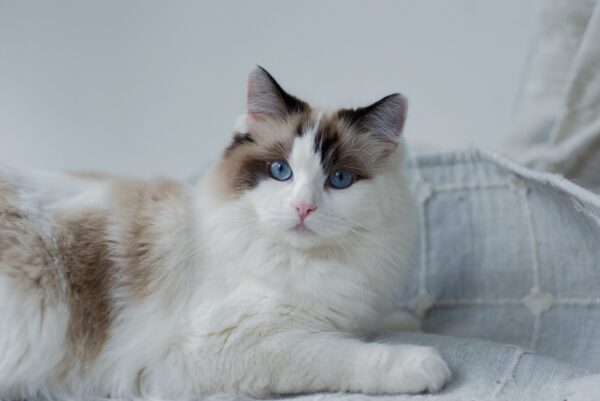
Building trust at your cat's pace
Once your cat starts venturing out, usually first when you’re not looking, then when you’re quietly in another room, then when you’re actively in the room, that’s when the real bond begins. Some cats are velcro from day one. Others take six months to sit on your lap. Both are valid. Both are fine.
Adopting a cat is one of the most rewarding things you can do as an expat in Luxembourg. It anchors you in your new home, fills your apartment with that specific kind of warmth only a cat can bring, and, let’s be honest, it gives you something more interesting to talk about than the weather at office small talk.
But here’s the thing: the difference between an adoption that works and one that struggles often comes down to a single decision made before you even meet the cat. Choosing the right match for your life, not someone else’s Instagram-perfect cat life.
That’s exactly why we offer a free personalised adoption study. The goal is to understand your daily reality, and help you figure out what kind of cat would actually thrive in your home.
Ready to start your adoption journey the right way? Start with your personalised study, it takes about 5 minutes, it’s completely free, and it might just be the smartest first step you make as a future cat parent in Luxembourg.
We’re CadCie. We live and breathe this stuff. And we genuinely love helping people get this right from day one.
- Par Zoé Barbier